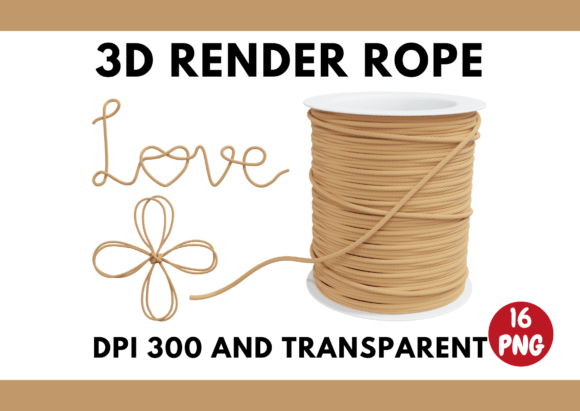
3D Render Rope: Elevate Your Digital Designs
In the vast landscape of digital assets, texture and depth are often the differentiating factors between a flat, forgettable graphic and a compelling visual narrative. 3D Render Rope has emerged as a versatile and powerful element for designers seeking to add tactile realism and structural interest to their projects. Unlike standard two-dimensional illustrations, high-quality 3D renders capture the intricate interplay of light, shadow, and fiber, offering a level of authenticity that resonates with viewers on a subconscious level. Whether you are crafting a rugged outdoor brand identity or a sophisticated nautical-themed invitation, the right rope asset can anchor your design with weight and purpose.
The utility of these assets extends far beyond mere decoration. When integrated correctly, a 3D render of rope serves as a functional design tool that guides the eye, frames content, and establishes mood. The key lies in understanding how to leverage the transparent background and high-resolution details provided in professional packs, such as those featuring sixteen PNG files with no watermarks. This accessibility allows creators to experiment freely without the technical hurdles of masking or cleaning up low-quality downloads.
The Visual Power of Tactile Realism
Human beings are naturally drawn to textures we can imagine touching. A well-rendered rope evokes sensations of strength, durability, and craftsmanship. In digital marketing and content creation, this sensory connection can significantly enhance user engagement. When a viewer sees the twisted fibers of a hemp cord or the smooth sheen of a synthetic climbing rope, they instantly associate those qualities with the product or message being presented.
For social media managers and content creators, this means breaking through the noise of flat, vector-heavy feeds. A post featuring a 3D rope element tying together a promotional offer feels more substantial and considered. It suggests effort and quality. For brand designers, it offers a way to communicate values like reliability and tradition without using clichéd icons. The versatility of rope styles—from rough jute to polished silk—allows for precise tonal alignment with any brand voice.
Practical Applications Across Industries
The adaptability of 3D Render Rope makes it an invaluable resource for a wide array of professionals. Here is how different creators can integrate these assets into their workflows:
- Greeting Cards and Invitations: Use rope elements to create borders or tie virtual ribbons around text blocks. This adds a handmade, artisanal feel to digital invites for weddings, birthdays, or corporate events.
- E-commerce and Advertising: Highlight products by placing them within a coil of rope or hanging from a suspended line. This works exceptionally well for outdoor gear, jewelry, or artisanal goods, providing context and scale.
- Video Content and Headers: Static images are just the beginning. By animating the subtle movement of rope or using it as a transition element in video editing, creators can add dynamic flow to intros and outros.
- Web Design and UI Elements: Rope can serve as a unique divider between sections on a landing page, replacing standard horizontal lines with something more organic and engaging.
Each application benefits from the transparency of the PNG files. Without a background, the rope blends seamlessly into any color scheme or photographic backdrop, ensuring that the focus remains on your core message rather than the asset itself.
Creative Strategies for Effective Integration
To maximize the impact of 3D Render Rope, consider the following creative strategies. These approaches ensure that the element enhances rather than overwhelms your design.
Contrast and Composition
Rope textures thrive on contrast. Pair a rough, natural fiber render against a sleek, modern minimalist background to create visual tension. Conversely, use a smooth, colorful synthetic rope against a muted, earthy palette to draw immediate attention to a call-to-action button or headline. The goal is to use the rope as a leading line, directing the viewer’s gaze toward the most important information in your composition.
Thematic Consistency
Ensure the type of rope matches the theme. A heavy-duty climbing rope conveys adventure and safety, making it ideal for fitness brands or travel blogs. A delicate, twisted cotton cord suggests elegance and fragility, suitable for beauty products or literary publications. Mismatching the rope style with the brand identity can create cognitive dissonance, so always select assets that align with the emotional tone of your project.
Layering and Depth
Don’t be afraid to layer multiple elements. Place text behind parts of the rope coil to create a sense of three-dimensional space. This technique, known as "text wrapping" in print design, can be achieved digitally by masking portions of the text layer. It adds sophistication and makes the design feel immersive. However, maintain readability; ensure that the contrast between the text and the rope texture is sufficient for easy reading.
Tailoring Content for Different Platforms
Different platforms have different requirements, and the flexibility of high-quality PNGs allows for easy adaptation. For Instagram and Pinterest, where vertical visuals dominate, use long, hanging rope elements to frame portrait-oriented photos. For LinkedIn or corporate presentations, opt for cleaner, tighter coils that suggest organization and structure without appearing too casual.
When creating video elements, consider the resolution. High-definition renders ensure that even when zoomed in during a video edit, the fibers remain crisp and realistic. This attention to detail reflects professionalism and care, traits that audiences appreciate in both educational content and commercial advertisements.
Maintaining Quality and Originality
While stock assets are convenient, originality comes from how you combine them. Avoid using the rope element in isolation. Blend it with other textures, such as wood, metal, or paper, to create a rich, multi-layered composition. Adjust the lighting and color balance of the rope to match your overall scene. Most image editing software allows for hue/saturation adjustments, enabling you to customize the rope’s color to fit your brand palette perfectly.
Furthermore, keep your file organization consistent. With a pack of sixteen different variations, label your files clearly based on texture, thickness, and shape. This saves time during the creative process and allows for quicker iteration when experimenting with different looks. A well-organized workflow leads to more polished final products.
Final Thoughts on Digital Texture
Incorporating 3D Render Rope into your design toolkit is more than just adding a decorative element; it is about enhancing the storytelling capacity of your visuals. By leveraging the realism, versatility, and ease of use provided by high-quality transparent PNGs, you can create designs that are not only visually striking but also emotionally resonant. Whether you are a seasoned designer or a hobbyist looking to elevate your personal projects, these assets offer a straightforward path to more professional and engaging results.
Remember, the best design choices are those that serve the content. Let the rope guide the eye, support the message, and add a touch of tangible reality to the digital world. If you have specific questions about integrating these assets into complex projects or need advice on licensing and usage rights, please feel free to contact me through my profile page. I am glad to help you navigate the creative possibilities and ensure your designs stand out with clarity and impact.