Integrating 3D Render Cupcake Top View Assets into Professional Design Workflows
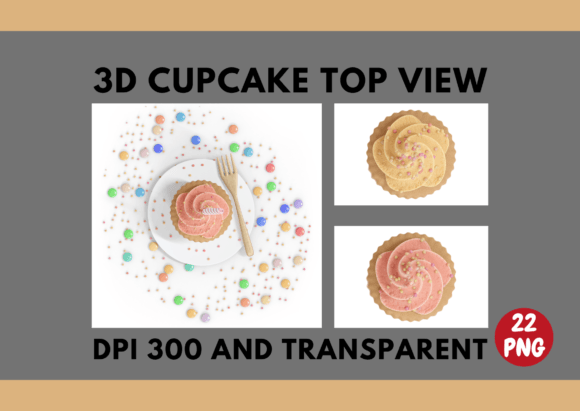
In the fast-paced world of digital content creation, the quality and versatility of visual assets can make or break a project. Whether you are designing a birthday invitation, crafting a social media campaign for a bakery, or developing headers for a food blog, the right imagery saves time and elevates the final product. One specific asset that has gained significant traction among designers and marketers is the 3D Render Cupcake Top View. This is not merely a photograph; it is a meticulously crafted digital element designed for maximum flexibility and integration across various platforms.
Understanding how to effectively utilize these assets requires more than just downloading a file. It involves recognizing where they fit within your broader creative process, from initial concept to final publication. By treating these PNG files as essential components of your workflow rather than afterthoughts, you can streamline production, ensure brand consistency, and achieve a polished look without the overhead of custom photography sessions.
The Strategic Value of Transparent Background Cutouts
When evaluating digital assets, the file type and background treatment are critical factors. A Specification File 22 PNG File Type Cutout Image with a transparent background offers distinct advantages over standard JPEGs or raw photographs. The transparency allows for seamless layering, meaning you can place the cupcake render over any color, texture, or pattern without worrying about white boxes or awkward edges.
This level of isolation is particularly valuable for professionals who need to maintain strict brand guidelines. For instance, if your client’s brand colors are pastel pink and mint green, you can drop the 3D render directly onto a branded background, and it will look native to the design. There is no need for complex masking or manual erasing in post-production software. This efficiency is crucial for freelancers and small business owners who often manage multiple projects simultaneously and cannot afford to spend hours on minor editing tasks.
Furthermore, the "no watermarks" feature ensures that the asset is ready for immediate commercial use. Watermarked images restrict creativity and require additional steps to purchase or license properly. Having access to clean, high-resolution files means you can experiment freely during the brainstorming phase, knowing that the final output will be professional-grade.
Pre-Production Planning and Asset Selection
Effective use of 3D renders begins before you even open your design software. During the planning stage of a project, consider the role the cupcake image will play. Is it the hero element of an advertisement, or a subtle decorative accent in a newsletter header? Answering this question helps determine how many variations you might need and how they should be organized.
For educators and bloggers creating content around baking or celebrations, having a library of consistent 3D renders ensures visual coherence across different posts. Instead of sourcing mismatched stock photos from various photographers, you can build a cohesive visual identity using a single set of high-quality renders. This approach supports long-term brand building and makes your content instantly recognizable to your audience.
It is also important to verify compatibility with your existing tools. PNG files are universally supported by major design platforms, including Adobe Photoshop, Illustrator, Canva, and Figma. However, checking the resolution and dimensions early in the process prevents issues later. A high-quality 3D render should retain its sharpness even when scaled for large formats like posters or banners.
Integration into Social Media and Digital Marketing
Social media demands speed and visual impact. The 3D Render Cupcake Top View is ideally suited for this environment because it is optimized for quick deployment. Content creators can use these elements to create engaging stories, posts, and reels without needing physical props or lighting setups.
- Greeting Cards and Invitations: Use the top-down perspective to create balanced compositions. The symmetry of a top-view cupcake works well with centered text layouts, making it perfect for digital invitations or printable greeting cards.
- Video Element Content: While static images are powerful, they can also be animated. Import the PNG sequence or static image into video editing software to create motion graphics. Add subtle zooms or rotations to bring the 3D render to life in promotional videos.
- Advertisements and Posters: The clean cutout allows for bold typography to overlap the image slightly, creating depth and interest. This technique is widely used in modern advertising to draw attention to key messages while keeping the product visible.
Marketers can also leverage these assets for A/B testing. By swapping out different cupcake renders against the same background, you can test which visual style resonates more with your audience, all without the cost of reshooting physical products.
Enhancing Web and Print Materials
Beyond social media, these assets play a vital role in web design and print media. For website headers, a transparent PNG allows the background color of the site to show through, ensuring the design feels integrated rather than pasted on. This is particularly useful for responsive design, where elements need to adapt to different screen sizes without losing clarity.
In print applications, such as flyers or brochures, the quality of the 3D render is paramount. Ensure that the file resolution is sufficient for printing (typically 300 DPI). The advantage of a 3D render over a photograph is the control over lighting and shadow. You can choose renders that have soft, natural shadows already baked in, which helps ground the object in the design and prevents it from looking flat or floating unnaturally.
For publishers and authors creating cookbooks or lifestyle guides, consistent imagery is key. Using a series of 3D renders ensures that every recipe or section has a uniform look, regardless of when the content was created. This consistency builds trust with the reader and enhances the perceived value of the publication.
Workflow Efficiency and Organization Tips
To maximize the benefit of these assets, establish a systematic approach to file management. Store your Specification File 22 PNG files in a dedicated folder structure, categorized by theme or project type. This reduces search time and allows for quicker retrieval during tight deadlines.
Consider creating templates in your preferred design software that already include placeholders for these assets. For example, a social media template with a designated spot for the cupcake render can speed up content creation significantly. This method is especially beneficial for teams where multiple people contribute to design tasks, as it ensures everyone adheres to the same visual standards.
Additionally, keep an eye on file size. While high resolution is important, overly large files can slow down web loading times. Optimize the PNGs for web use if necessary, balancing quality with performance. Tools like TinyPNG or built-in export settings in design software can help reduce file size without noticeable loss in quality.
Quality Control and Long-Term Use
Regularly review your asset library to ensure it remains relevant and high-quality. As design trends evolve, so do preferences for lighting, color palettes, and styles. Updating your collection of 3D renders keeps your content fresh and aligned with current aesthetics.
Quality control also involves checking for consistency in lighting direction and shadow intensity across different renders. If you are combining multiple elements in a single composition, ensure they appear to be lit from the same source. This attention to detail separates amateur designs from professional work.
Finally, remember that these assets are tools to support your creative vision, not replace it. Use them as a foundation, but don’t hesitate to add your own touches, such as custom textures, overlays, or typography. The goal is to create unique, engaging content that stands out in a crowded digital landscape.
If you have any questions regarding the specific usage rights, technical specifications, or integration techniques for these files, please feel free to contact me through my profile page and I’ll be glad to help you. Understanding the nuances of digital assets empowers you to work smarter, not harder, delivering high-impact results for your clients and audiences.