Floral Wood Texture Patterns: A Design Resource Evaluation
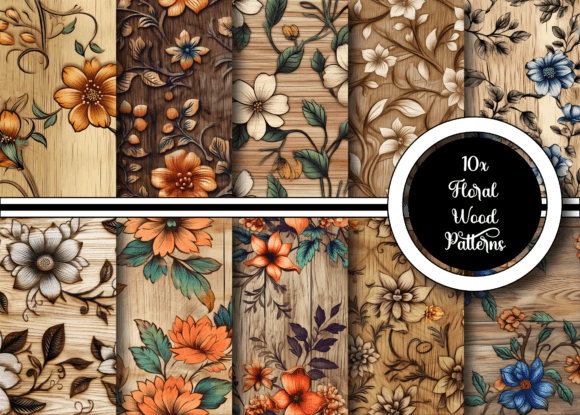
In the evolving landscape of digital and print design, texture plays a pivotal role in establishing mood and depth. Floral Wood Texture Patterns represents a specific niche within this domain, offering a collection that merges two distinct aesthetic elements: the organic, structural lines of wood grain and the delicate, intricate forms of floral motifs. This resource provides ten high-resolution patterns, each sized at 4096x4096 pixels in JPG format. For designers, marketers, and DIY enthusiasts, understanding the utility and limitations of such assets is crucial before integrating them into professional or personal projects.
Understanding the Aesthetic Fusion
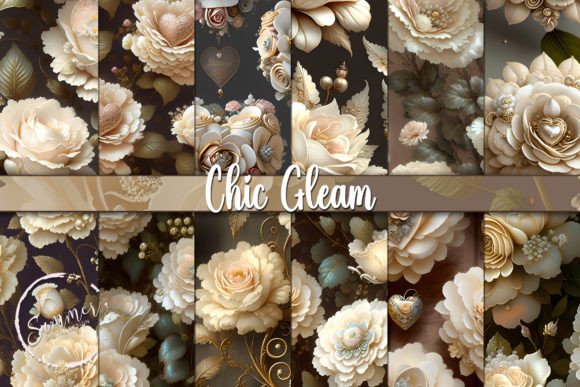
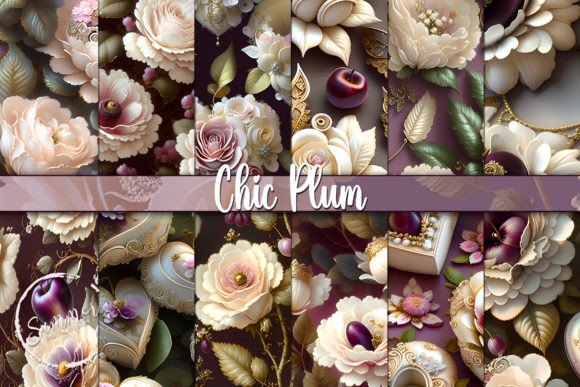
The core concept behind Floral Wood Texture Patterns is the harmonious blend of rustic charm and natural elegance. Wood textures traditionally convey warmth, stability, and earthiness, while floral designs introduce softness, vibrancy, and intricacy. Combining these elements creates a visual tension that can be highly effective when balanced correctly. The collection aims to showcase unique combinations where flowers appear to grow from or rest upon wooden surfaces, providing a layered look that adds sophistication without overwhelming the viewer.
Each pattern in the set is crafted with attention to detail, ensuring that the wood grains remain visible and realistic while the floral elements are integrated seamlessly. This duality makes the patterns versatile for various applications, from background layers in web design to prominent features in print media. The high resolution of 4096x4096 pixels ensures that the details remain sharp even when scaled for large-format printing, such as posters or wall art.
Practical Applications and Use Cases
When evaluating whether Floral Wood Texture Patterns aligns with your project needs, it is helpful to consider specific use cases where this aesthetic excels. The versatility of these patterns allows them to function effectively across multiple mediums.
- Digital Backgrounds: For website headers, blog post backgrounds, or social media graphics, these patterns can create a warm and welcoming atmosphere. The organic nature of the design helps humanize digital interfaces, making brands appear more approachable and grounded.
- Print Materials: In physical media, such as business cards, invitations, and flyers, the texture adds a tactile quality even before the paper is touched. The combination of wood and flowers is particularly suitable for industries like wedding planning, organic skincare, artisanal crafts, and boutique hospitality.
- Home Decor and DIY Projects: Beyond digital and commercial print, these patterns can serve as references for physical decor. Designers might use them as decals for furniture, prints for wall art, or inspiration for textile designs. The high resolution supports large-scale outputs, making them viable for interior design mockups.
Benefits of High-Resolution Textured Assets
One of the primary advantages of using a dedicated pack like Floral Wood Texture Patterns is the consistency and quality control. Creating such complex composite images from scratch requires significant time, advanced Photoshop skills, and access to high-quality source photography. By utilizing pre-made patterns, designers can streamline their workflow while maintaining a professional standard.
The 4096x4096 pixel dimensions offer substantial flexibility. This square format is ideal for social media platforms like Instagram, but it also allows for cropping into various aspect ratios without significant loss of quality. Furthermore, the JPG format ensures broad compatibility with virtually all design software, from Adobe Creative Suite to free online editors.
Considerations and Tradeoffs
While the aesthetic appeal is strong, there are practical considerations to keep in mind. First, the complexity of the design means that these patterns may not suit every brand identity. Minimalist or ultra-modern brands might find the detailed floral and wood elements too busy or traditional. It is essential to assess whether the rustic-elegant vibe aligns with your overall brand guidelines.
Secondly, the file format is JPG, which does not support transparency. If your project requires placing text or other elements over the pattern with varying levels of opacity, you may need to adjust the brightness and contrast of the image or use blending modes in your design software to ensure readability. The intricate details can sometimes compete with foreground text, so careful typography choices are necessary.
Additionally, while ten patterns provide a reasonable variety, they may not be sufficient for large-scale campaigns requiring extensive unique visuals. Designers might need to manipulate the colors or rotate the images to create further variation, which requires additional effort.
When to Choose Alternatives
There are scenarios where Floral Wood Texture Patterns may not be the optimal choice. If your project demands vector graphics for infinite scalability without pixelation, a raster-based JPG collection will not suffice. In such cases, seeking SVG or AI files would be more appropriate.
Similarly, if your design requires a clean, flat aesthetic, the textured depth of wood and flowers might distract from the core message. For corporate reports, tech startups, or industrial branding, simpler geometric patterns or solid colors often communicate professionalism more effectively. Additionally, if you require specific color matching to strict brand guidelines, pre-made patterns may require significant color grading adjustments, which could alter the natural look of the wood and flowers.
Making an Informed Decision
To determine if this collection fits your needs, consider the following questions:
- Does your target audience respond well to organic, natural, and rustic aesthetics?
- Do you have the technical capability to adjust image brightness and contrast to ensure text legibility?
- Is the resolution of 4096x4096 pixels sufficient for your largest intended output?
- Can you work within the constraint of non-transparent JPG files?
If the answer to these questions is yes, then Floral Wood Texture Patterns offers a valuable resource that can enhance the visual appeal of your projects. The blend of rustic wood and delicate florals provides a unique stylistic option that stands out from generic textures. However, always test the patterns in context with your actual content to ensure they complement rather than compete with your design elements.
Ultimately, the value of any design asset lies in its ability to solve a specific visual problem. For those seeking to add a touch of natural elegance and warmth to their creative work, this collection provides a solid foundation. By understanding both the strengths and limitations of these patterns, you can make informed decisions that elevate your design outcomes while maintaining clarity and purpose.