Evaluating Watercolor Clipart SUMMER for Digital and Print Design Projects
For designers, hobbyists, and small business owners, selecting the right visual assets is a critical step in the creative process. The market is saturated with digital illustrations, ranging from flat vector icons to hyper-realistic photography. Amidst this variety, Watercolor Clipart SUMMER has emerged as a distinct category that bridges the gap between artistic authenticity and digital convenience. This collection typically features hand-painted aesthetics digitized into high-resolution formats, offering a unique texture that standard graphics often lack.
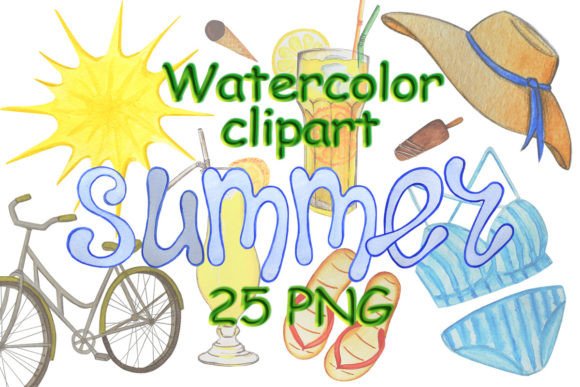
When considering a purchase or download of such resources, it is essential to look beyond the surface appeal. Understanding the technical specifications, potential applications, and limitations of these files ensures that they align with your specific project requirements. This analysis explores the utility of a standard 25-file summer-themed watercolor set, examining how it compares to other design resources and where it fits best in a modern workflow.
The Distinct Appeal of Hand-Painted Digital Assets
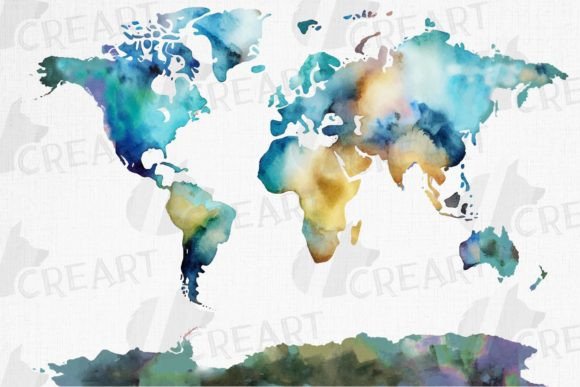
Watercolor art is characterized by its fluidity, transparency, and organic imperfections. Unlike vector graphics, which are mathematically precise and often feel sterile, watercolor illustrations carry a human touch. A high-quality set of Watercolor Clipart SUMMER captures these nuances—bleeding edges, pigment granulation, and soft color gradients. This aesthetic is particularly effective for projects aiming to evoke warmth, nostalgia, or a relaxed atmosphere.
The "summer" theme further narrows the focus to elements associated with leisure and vitality. Think of juicy fruits, tropical leaves, beach accessories, and bright florals. These motifs are versatile because they transcend seasonal boundaries; while labeled "summer," they are frequently used in wedding invitations, birthday cards, and lifestyle branding year-round. The emotional resonance of these images helps creators connect with their audience on a subconscious level, making them a powerful tool for storytelling.
Technical Specifications and Quality Assessment
Not all digital clipart is created equal. When evaluating a set described as containing 25 PNG files, the technical details are paramount. A professional-grade set should offer individual images at a size of 3000 x 3000 pixels, which translates to 10 × 10 inches at 300 dots per inch (DPI). This resolution is the industry standard for high-quality printing.
- Resolution: At 300 DPI, the images remain crisp when printed on physical media such as postcards, stickers, or fabric. Lower resolutions (72 DPI) are suitable only for screen display and will appear pixelated if printed.
- Format: PNG (Portable Network Graphics) is the preferred format for clipart because it supports transparency. This allows users to layer elements over different backgrounds without unsightly white boxes surrounding the image.
- Color Mode: RGB (Red, Green, Blue) is ideal for digital displays, including blogs, social media, and web design. However, users intending to print professionally should be aware that RGB colors may shift slightly when converted to CMYK for offset printing. For most home printers and print-on-demand services, RGB files work adequately, but color calibration may be necessary for brand-critical projects.
The inclusion of 25 distinct elements provides a balanced toolkit. It is large enough to offer variety for a cohesive project but small enough to manage easily. This count is typical for niche thematic sets, allowing for focused creativity without overwhelming the user with redundant options.
Comparing Watercolor Clipart to Alternative Formats
To make an informed decision, one must compare watercolor PNGs with other common graphic formats. Each has strengths and tradeoffs depending on the intended use case.
Vector Graphics (SVG/EPS)
Vectors are scalable infinitely without loss of quality, making them superior for large-format signage or logo design. However, they often lack the textured, organic feel of watercolor. Converting a watercolor painting into a vector usually results in a loss of detail and softness. If your project requires a hand-painted look, Watercolor Clipart SUMMER is a better choice than vector alternatives. Conversely, if you need to resize an element from the size of a business card to a billboard, vectors are the safer option.
Stock Photography
Photographs offer realism but can be difficult to integrate into designed layouts due to lighting mismatches and background clutter. Watercolor clipart provides stylized abstraction, which is easier to blend with typography and other graphic elements. For planner stickers or blog headers, the clean, isolated nature of PNG clipart is more practical than cropping and editing photos.
AI-Generated Images
Artificial intelligence tools can generate unique watercolor-style images on demand. While this offers unlimited variety, it lacks consistency. Generating a cohesive set of 25 matching elements with consistent style, lighting, and color palette is challenging and time-consuming with AI. A curated clipart set guarantees stylistic harmony, saving hours of trial and error.
Practical Applications and Use Cases
The versatility of high-resolution PNGs makes them suitable for a wide array of projects. Here are some realistic scenarios where this type of asset excels:
- Planner Customization: The 10x10 inch size is perfect for creating custom planner stickers. Users can print these on adhesive paper, cut them out, and use them to decorate daily planners. The transparent background ensures they look professional regardless of the planner page color.
- Digital Scrapbooking: For digital scrapbooks, these elements can be layered directly in software like Photoshop or Procreate. The high resolution allows for zooming in without pixelation, maintaining quality in detailed layouts.
- Fabric and Apparel Design: While not a substitute for specialized textile design software, these PNGs can be used for print-on-demand T-shirts or tote bags. The "juicy" illustrations mentioned in summer themes translate well to casual apparel. However, users should ensure the printing service supports high-quality DTG (Direct to Garment) printing to preserve the watercolor texture.
- Web and Blog Design: Bloggers can use these images as featured post headers, sidebar decorations, or dividers. The lightweight nature of PNGs, combined with their visual appeal, enhances user engagement without significantly slowing down page load times if optimized correctly.
- Invitations and Stationery: Wedding invitations, baby showers, and birthday cards benefit from the soft, inviting nature of watercolor. The 300 DPI resolution ensures that text printed over or near these images remains sharp and legible.
Limitations and Decision Factors
While Watercolor Clipart SUMMER offers significant benefits, it is not a universal solution. Understanding its limitations helps prevent misuse and dissatisfaction.
Scalability Constraints: Unlike vectors, raster images (PNGs) have a fixed maximum size. Enlarging a 3000x3000 pixel image beyond 10 inches at 300 DPI will result in blurriness. For large-scale prints like banners, users may need to source larger files or use vector alternatives.
Editing Complexity: Although PNGs have transparent backgrounds, modifying the internal colors or shapes of a watercolor painting is difficult. You cannot simply change the hue of a leaf without affecting the subtle shading and texture. If extensive color customization is required, vector graphics or original illustration may be more appropriate.
Licensing Considerations: Always review the license agreement. Most instant download clipart sets allow for personal and small commercial use (e.g., selling physical products like stickers), but they often prohibit reselling the digital files themselves or using them in trademarked logos. Ensuring compliance with these terms is crucial for professional integrity.
Making the Right Choice for Your Project
Choosing between Watercolor Clipart SUMMER and other resources depends on your specific goals. If you value speed, consistency, and an organic aesthetic, this format is highly efficient. It eliminates the need for artistic skill while providing professional-grade visuals. It is particularly well-suited for small businesses, educators, and hobbyists who need to produce visually appealing materials quickly.
However, if your project demands infinite scalability, precise color control, or unique, one-off imagery, you might consider investing in vector libraries or commissioning custom artwork. For most everyday design needs—from blog posts to handmade gifts—the combination of high resolution, transparent backgrounds, and artistic charm found in a 25-file watercolor set offers an excellent balance of quality and convenience.
Ultimately, the value lies in how well the asset integrates into your workflow. By understanding the technical specs and appropriate use cases, you can leverage these digital tools to enhance your creative output effectively.