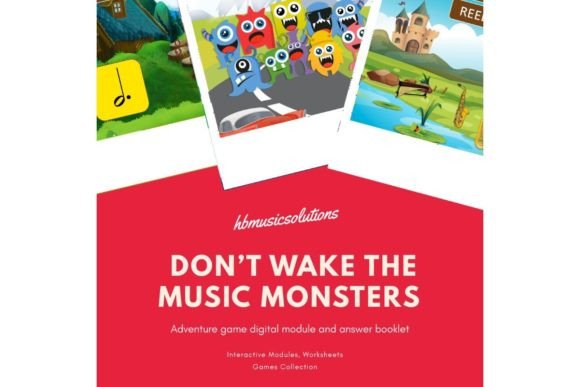
Don’t Wake the Music Monsters Interactive Game: A Practical Guide for Educators and Creators
Finding digital resources that genuinely engage students without requiring hours of setup is a constant challenge for music educators, homeschooling parents, and even creative entrepreneurs looking to gamify learning. Don’t Wake the Music Monsters Interactive Game emerges as a solution that bridges the gap between rigid theory drills and playful exploration. It is not merely a quiz; it is an immersive experience designed to reinforce fundamental music theory concepts through narrative-driven gameplay.
The premise is simple yet effective: players travel through ten distinct scenes, collecting three special golden keys in each area before answering a final question to unlock the secret door to the next destination. The catch? You must navigate quietly to avoid waking the snoring monster. This tension adds a layer of excitement that traditional worksheets simply cannot replicate. For adults managing classrooms or home learning environments, this tool offers a way to make note values, treble clef identification, and instrument recognition feel like an adventure rather than a chore.
Why Interactive Storytelling Works for Music Theory
Music theory is often perceived as dry or abstract, especially by younger learners. However, when these concepts are embedded within a story, retention improves significantly. Don’t Wake the Music Monsters leverages animation, music, and sound effects to create a multisensory learning environment. This approach aligns with modern pedagogical standards that emphasize active participation over passive listening.
For educators, the value lies in the structure. The game covers ten essential sections, including questions on instruments, note values, notes on the treble clef, and music symbols. By breaking down complex topics into manageable, scene-based chunks, the game prevents cognitive overload. Students can focus on one concept at a time, mastering it before moving forward. The included answer booklet allows teachers or parents to verify understanding quickly, ensuring that the fun does not come at the expense of educational rigor.
Real-World Use Cases for Different Users
The versatility of this interactive game makes it suitable for a wide range of users beyond the traditional classroom setting. Here is how different groups can integrate it into their routines:
- Classroom Teachers: Use the computer version with a smart board or projector for whole-class instruction. It serves as an excellent bell-ringer activity or a reward for completing larger projects. The visual nature of the game keeps the entire class engaged while you manage administrative tasks.
- Homeschooling Parents: The tablet version is ideal for offline use via the Articulate Mobile Player app. This means you can take learning on the go—whether in the car, at a relative’s house, or during travel. It provides a structured yet flexible way to cover music theory basics without needing extensive musical expertise yourself.
- Private Music Tutors: Incorporate the game into lesson plans as a mid-session break. After fifteen minutes of focused practice, allowing a student to play through a scene can reset their attention span and reinforce what they have just learned in a low-pressure environment.
- Content Creators and Bloggers: If you run an education-focused blog or YouTube channel, reviewing or demonstrating this game can provide valuable content for your audience. It showcases practical tools that solve real problems for parents and teachers, enhancing your credibility as a resource hub.
Technical Considerations and Setup
Before downloading or purchasing, it is crucial to understand the technical requirements to ensure a smooth experience. The product is compatible with both U.K. and U.S. curricula, making it accessible to a broad international audience. However, the file formats differ depending on your device.
Computer files are delivered as zip archives. You will need to unzip these files first and save them to your hard drive. Once extracted, selecting "Launch Story" starts the game. This method ensures high-quality performance but requires a bit of initial setup. Mac users should note that they may need to rely on the web or tablet versions if they encounter compatibility issues with the desktop executable files.
For tablet users, the process is slightly different. Files can be housed in the free Articulate Mobile Player app, which allows for offline downloads. This feature is particularly beneficial for users with limited internet access or those who prefer not to stream content during lessons. Both tablet and computer versions can be used with a projector, offering flexibility in how you present the material to a group.
Maximizing Engagement with Gamification Elements
The core mechanic of collecting golden keys and finding secret doors taps into intrinsic motivational triggers. Players are not just answering questions; they are solving puzzles. This sense of progression encourages persistence. When a student gets a question wrong, the immediate feedback loop helps them correct their understanding without feeling penalized. The goal is to keep the monster asleep, which adds a humorous and gentle stakes to the learning process.
Furthermore, the ability to print a certificate directly from the computer or take a screenshot from a tablet provides a tangible reward. For many learners, having a physical or digital badge of completion boosts confidence and encourages them to tackle more advanced topics. Teachers can use these certificates as part of a broader reward system, linking game completion to classroom privileges or recognition.
What to Consider Before Using the Game
While Don’t Wake the Music Monsters Interactive Game is a robust tool, it is not a standalone curriculum. It works best as a supplement to existing lessons. Educators should plan how to integrate the game’s ten sections with their current teaching schedule. For instance, if you are currently teaching rhythm, focus on the sections related to note values. If you are introducing the staff, prioritize the treble clef scenes.
Additionally, consider your hardware setup. If you are using older devices, test the web version first to ensure smooth animation playback. Sound effects are a key component of the experience, so ensure your speakers or headphones are functioning correctly. For large classrooms, projecting the game allows for collaborative problem-solving, where students can discuss answers before selecting them, fostering peer-to-peer learning.
Ultimately, this game represents a shift towards more engaging, student-centered learning tools. It respects the learner’s intelligence by wrapping educational content in a compelling narrative. Whether you are a seasoned educator looking for fresh materials or a parent seeking quality screen time options, this interactive game offers a balanced blend of fun and function. By focusing on real-world application and ease of use, it stands out as a practical addition to any music education toolkit.
Remember to check the provided PDF links for detailed instructions and product previews. Taking a few minutes to familiarize yourself with the interface before introducing it to students will ensure a seamless experience. With proper preparation, Don’t Wake the Music Monsters can transform the way your students interact with music theory, turning potential frustration into genuine curiosity and enjoyment.